Chillers

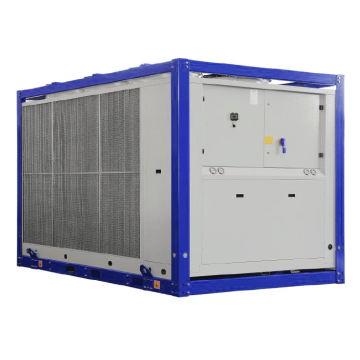
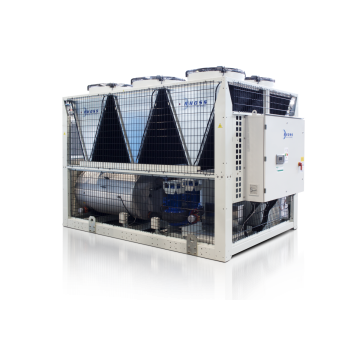
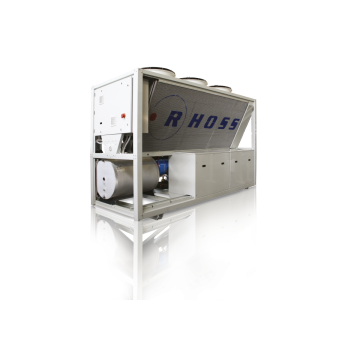
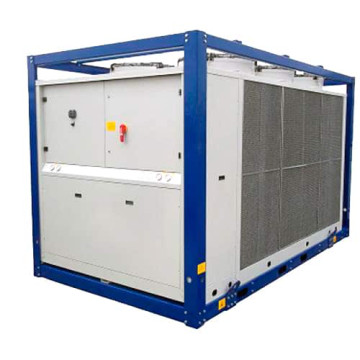
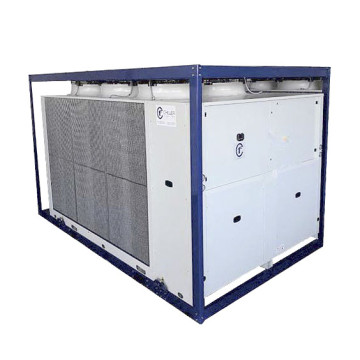
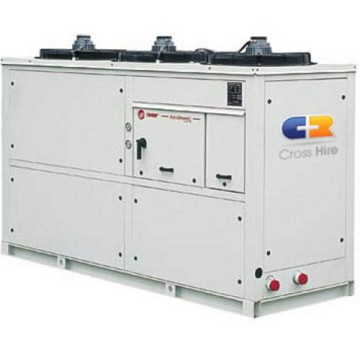
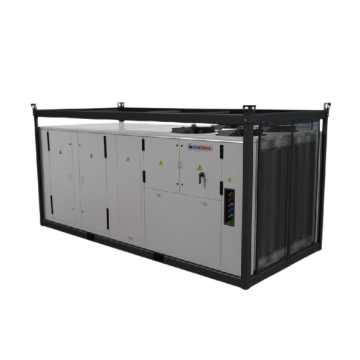
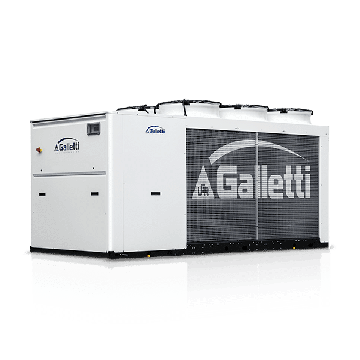
When cooling is critical to your operation, getting the right chiller capacity on site quickly matters. Chillers range from 5kW to 750kW, with air-cooled, heat pump chillers and low-temperature chillers for process cooling and HVAC applications. The range operates from +20°C to -10°C.

Chiller packages and ancillary equipment

Air-cooled chillers provide chilled water for cooling. Heat pump chillers provide chilled or heated water from a single unit. Low-temperature chillers deliver fluid temperatures down to -10°C for process and specialist cooling.

For larger duties, chillers can be combined into multi-megawatt packages with air handling units, fan coil units, heat exchangers, pumps, hoses and ancillary equipment.

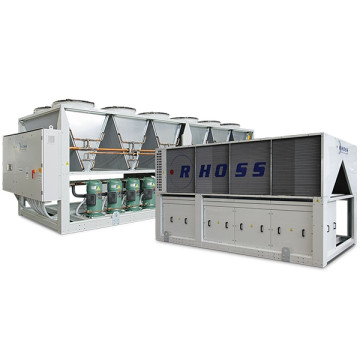
Every chiller comes with integral pumps, tanks, flow switches, Bauer couplings and control gauges. For larger duties, chillers can be combined into multi-megawatt packages with air handling units, fan coil units, heat exchangers, pumps, hoses and ancillary equipment.
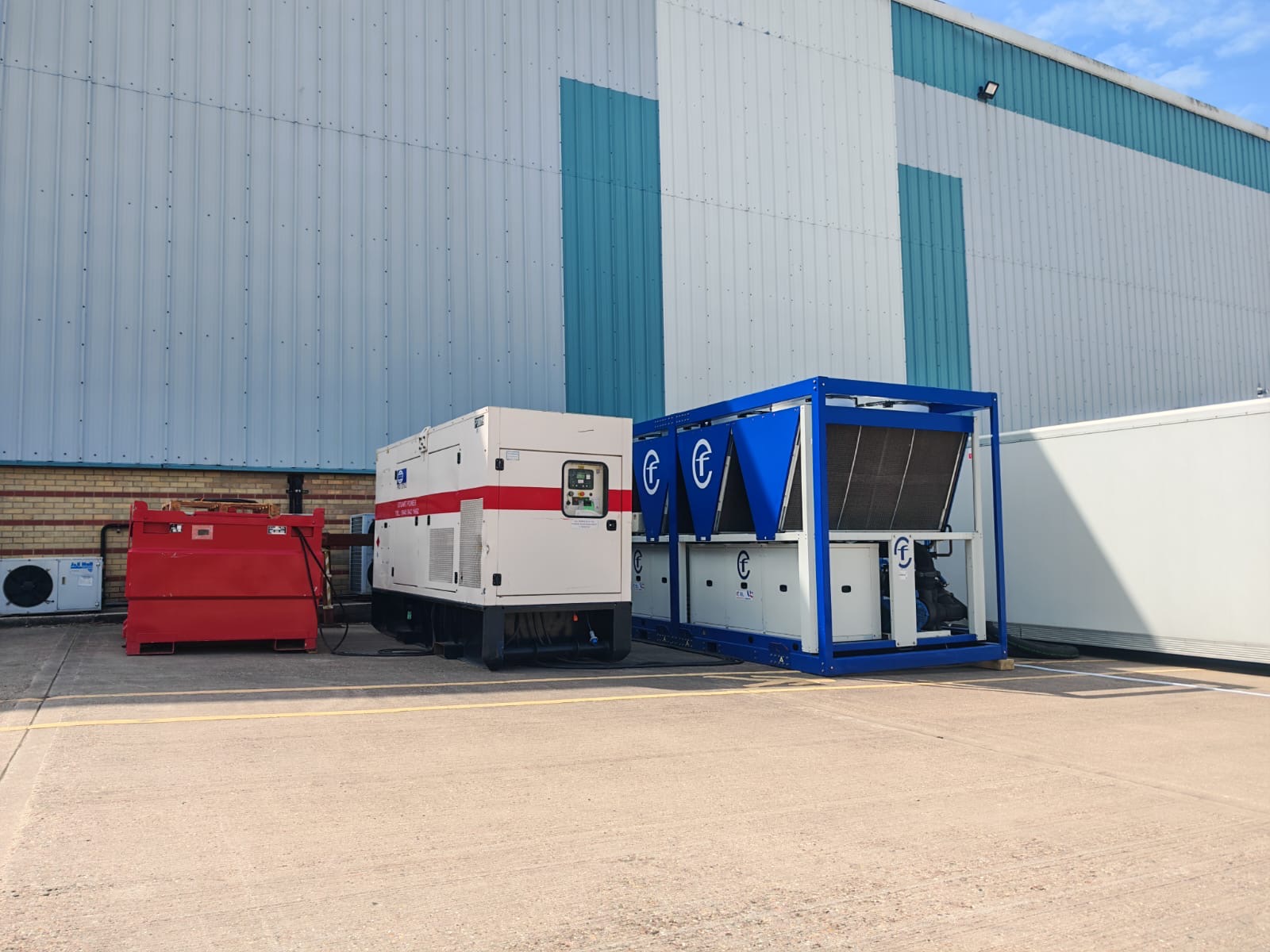
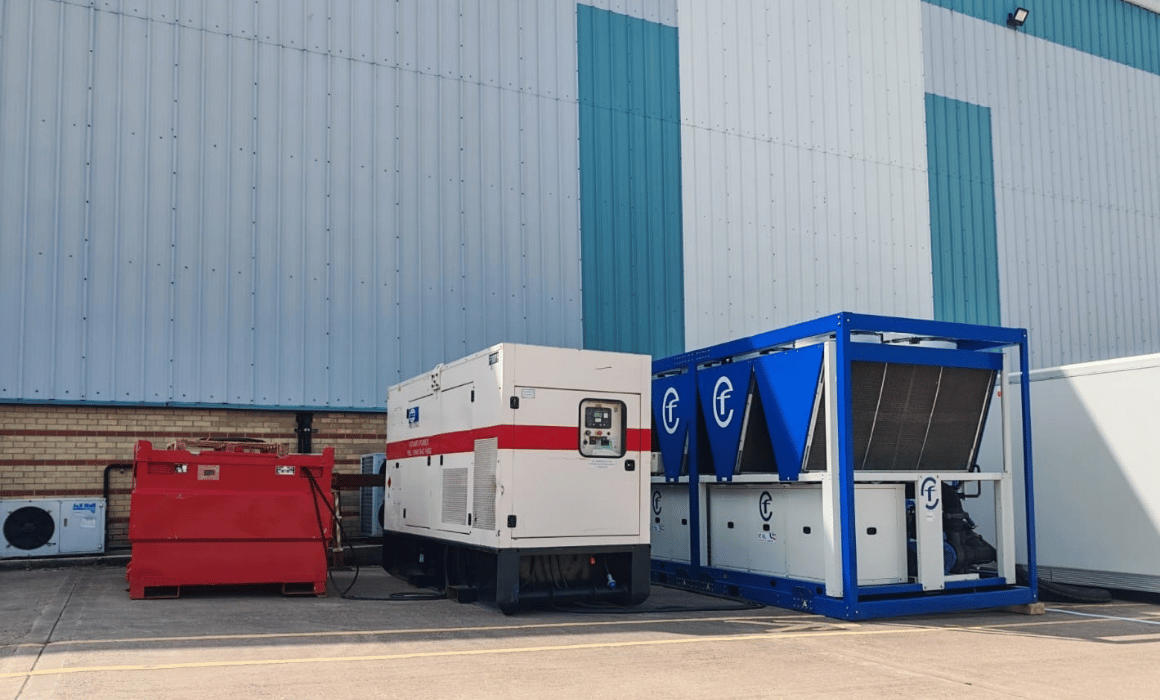
Chiller and generator outside buildingChiller and generator outside building

Got a question?

Frequently Asked Questions

Answers to the questions we hear most often. If yours is not here, get in touch and we will be happy to help.

What chiller sizes are available?

Chillers in the range run from 5kW to 750kW per unit. For larger cooling duties, multiple units can be combined into a single system.

What size chiller do I need?

Chiller size depends on several factors, including the required cooling duty, flow and return temperatures, flow rate, and ambient conditions. If you are supporting or replacing an existing chiller, its capacity is a good starting point. Where demand is higher than the existing system or the demand is unknown, a site survey can help determine the exact required capacity and system configuration you need.

Which chiller is best for process cooling or HVAC?

Air-cooled chillers suit most HVAC and general process cooling applications. Heat pump chillers suit sites that need both heating and cooling from one unit. Low-temperature chillers suit processes that need fluid temperatures below standard chilled water, such as food and drink production, pharmaceutical manufacturing and laboratory applications.

Can a chiller work with an air handling unit?

Yes. Chillers can supply chilled water to compatible air handling units (AHUs) or fan coils as part of a temporary chilled-water HVAC system. We supply AHUs and fan coil chillers alongside our chiller range.

What is the difference between an air-cooled chiller and a heat pump chiller?

An air-cooled chiller provides chilled water, only, for cooling applications. A heat pump chiller is reversible and can provide either chilled or heated water. Both use ambient air to reject or absorb heat. A heat pump chiller is the better choice where a site needs heating and cooling from a single unit.

What is a low-temperature chiller used for?

A low-temperature chiller cools a glycol mix to lower temperatures than a standard chiller, down to -10°C. It is used for process cooling where standard chilled water is not cold enough, such as in food processing, manufacturing and pharmaceutical production.

What is the difference between a chiller and a DX unit?

A chiller cools water which is circulated to air handling units, fan coils or process equipment. A DX (direct expansion) unit uses refrigerant to cool the air directly with no chilled-water circuit. Chillers suit larger, multi-zone and process cooling duties, whereas DX units suit smaller, space-saving cooling.

Can chillers be combined for larger cooling duties?

Yes. Multiple chillers can be combined as part of larger temporary multi-megawatt cooling package, where the project requires additional capacity. Combining units also adds resilience, as the system can keep running if one unit is taken offline.

Can a temporary chiller connect to my existing system?

Yes, in most cases. A temporary chiller can connect to your existing chilled-water circuit via existing tie-in points or flanged connections, with hoses, pumps or heat exchangers supplied where needed. A site survey confirms connection points, pipe sizes and flow requirements.

What equipment may be required with a temporary chiller?

Every chiller in our range comes with integral pumps, tanks, flow switches, Bauer couplings and control gauges. Depending on the application, installation may also need hoses, heat exchangers, buffer tanks, air handling units (AHUs), or fan coils, all of which we can supply.

What power supply does a chiller need?

Power requirements depend on the size of the chiller. Where mains power is limited, generators can be supplied alongside the chiller.

How much space and access does a chiller need?

That really depends on your site. If you are replacing an existing chiller, its footprint will be the same. A site survey will confirm the space, access and delivery requirements. the size of unit that is needed, including delivery and lifting.

What refrigerant do your chillers use?

All chillers in the range use R410A refrigerant and are installed and serviced by our F-Gas certified engineers.