
Loading...
Checkout using your account
This form is protected by reCAPTCHA - the Google Privacy Policy and Terms of Service apply.
Checkout as a new customer
Creating an account has many benefits:
- See order and shipping status
- Track order history
- Check out faster
Contingency Planning

500+
Chillers

9
Strategic depots

70+
Nationwide engineers

24/7
Support services
What we offer
Service & Maintenance Services
From compact portable units to large-scale temporary plant rooms, our fleet and engineering expertise covers the full spectrum of heating and cooling requirements.
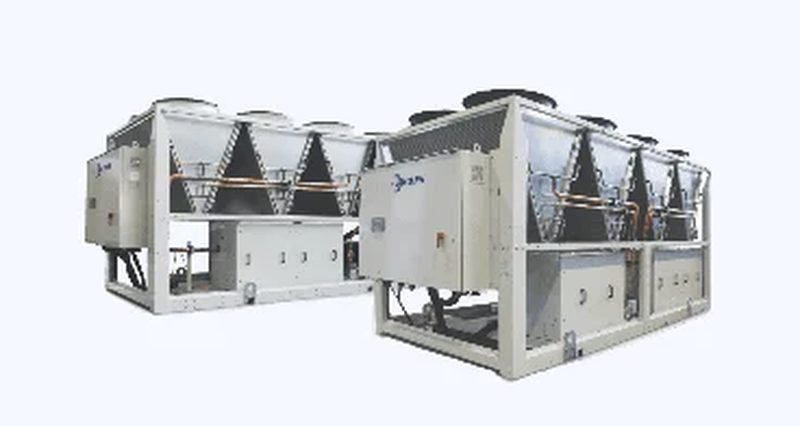
Chiller Hire Range
Our extensive chiller fleet covers a wide power range, with integral pumps, tanks, flow switches, Bauer couplings, and control gauges included as standard. Operating range +20°C to -10°C.
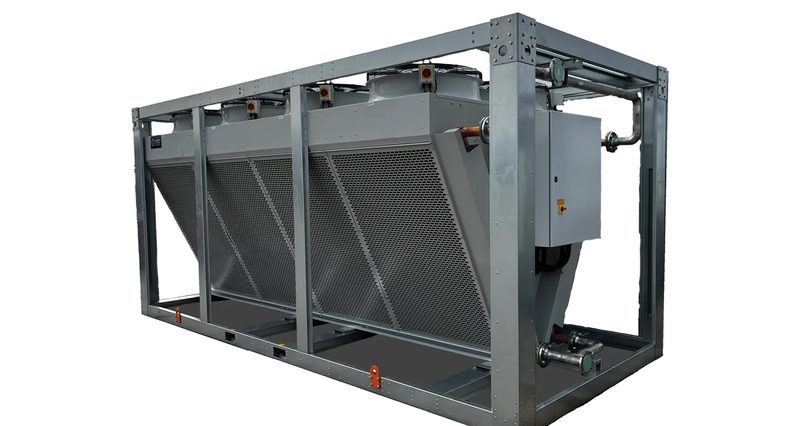
Dry Air Coolers
High-capacity dry air coolers for large-scale industrial and commercial applications, using energy-efficient refrigerants compliant with the Clean Air Act.
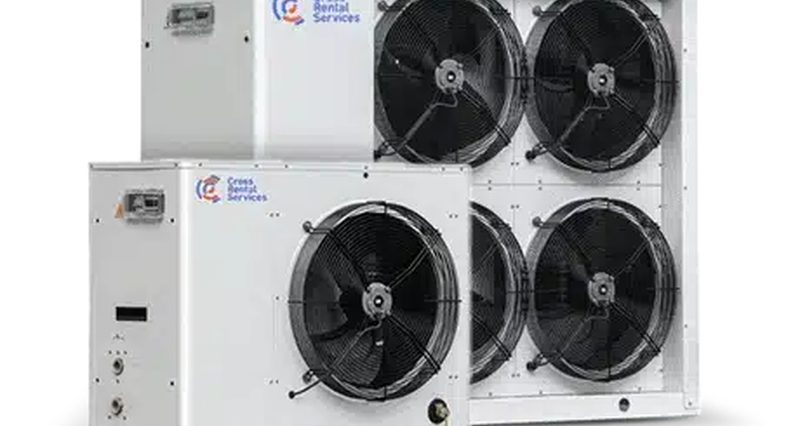
Heat Pump Chillers
Efficient heat pump chiller solutions for heating and cooling simultaneously, reducing energy consumption and operational costs across your site.
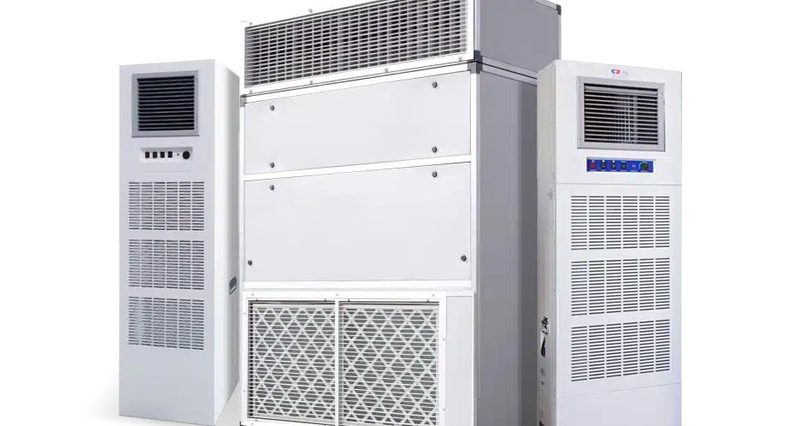
Air Handling Units
Bespoke air handling unit hire including low loss headers, heat exchangers, and dosing pots — engineered to your specific site requirements.
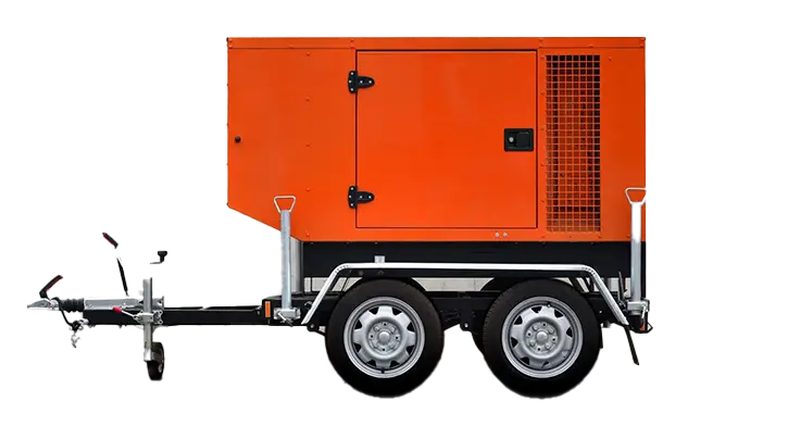
Generator Hire
Generator hire to support your chiller or HVAC installation, ensuring continuous operation during planned or emergency scenarios.

Contingency Planning
Work with our team to build a bespoke contingency plan for your site — ensuring a rapid, pre-agreed response if critical cooling systems fail.
What's included
What goes into your contingency plan
A full site survey identifies critical systems, potential points of failure and suitable locations for temporary equipment. We review access, connections and any enabling works needed before installation.
Your documented plan sets out the proposed equipment, site-specific risk assessment and method statement, activation arrangements and key contacts. A quotation for the equipment, delivery and installation helps establish costs before an emergency. The plan is supplied in hard and digital formats.
- Identify critical heating, cooling and hot water systems, including potential points of failure
- Establish suitable locations, site access and connection arrangements for temporary equipment
- Document the proposed equipment, installation requirements and activation procedure
- Provide agreed hire and installation costs to support budgeting and internal approval.
What's Included
Additional protection for critical sites
Some sites can not afford to wait for replacement equipment when a critical system fails. Depending on the level of cover needed, contingency arrangements can include enabling works in advance, standby equipment, ancilliaries and fuel management to help reduce disruption when the plan is activated.
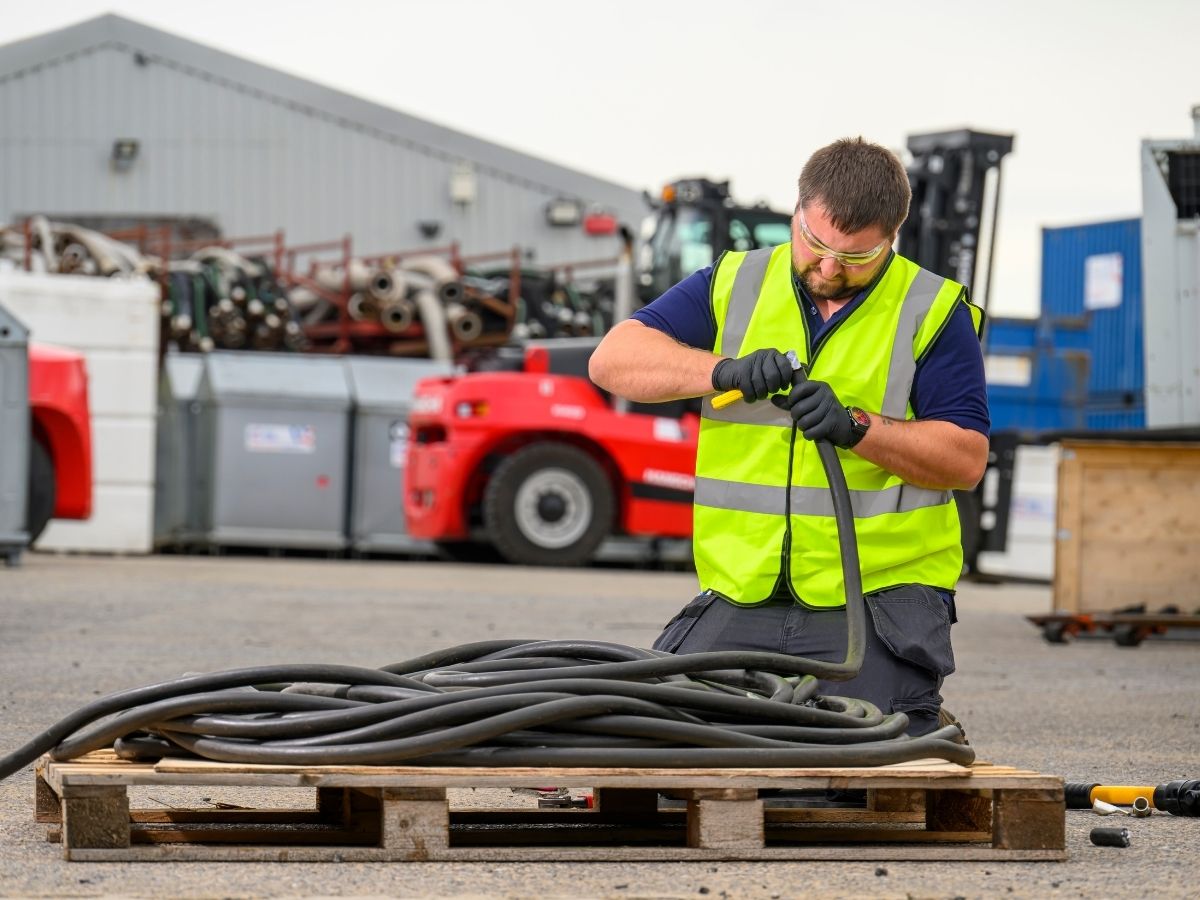
- Enabling works: Gas, water and electrical connections prepared in advance
- On-site standby equipment: Additional hire of temporary boilers or chillers installed on-site, ready for emergencies
- Fuel management: Fuel supply and replenishment arrangements to support temporary equipment
- 24/7 Emergency Support: Engineer support 365 days a year, backed by nine depots across the UK and Ireland.
Downloadable Guide
Download our Contingency Planning Guide
Planning for heating or cooling failure? Download our guide for a closer look at the contingency planning process, the options available for critical sites and how to prepare for an emergency.
Why us
Benefits of having a contingency plan
Unplanned downtime can halt production, distrupt occupants or compromise safety. Safeguard your operations against risk with a contingency plan. Identify critical systems, potential points of failure and the temporary equipment needed ahead of time.
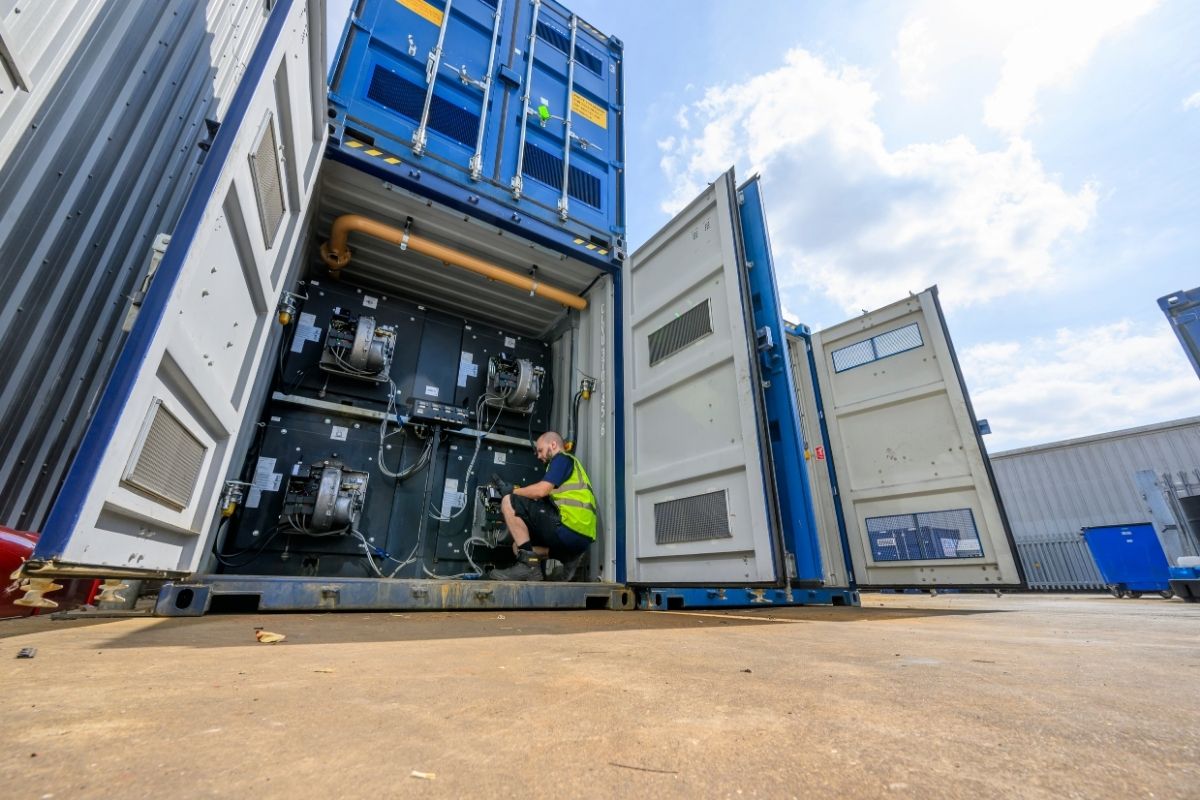
Ageing or obsolete plant can create problems when repairs are no longer practical or replacement equipment has a long lead time. A contingency plan helps you prepare temporary heating or cooling arrangements, while a permanent solution is organised.
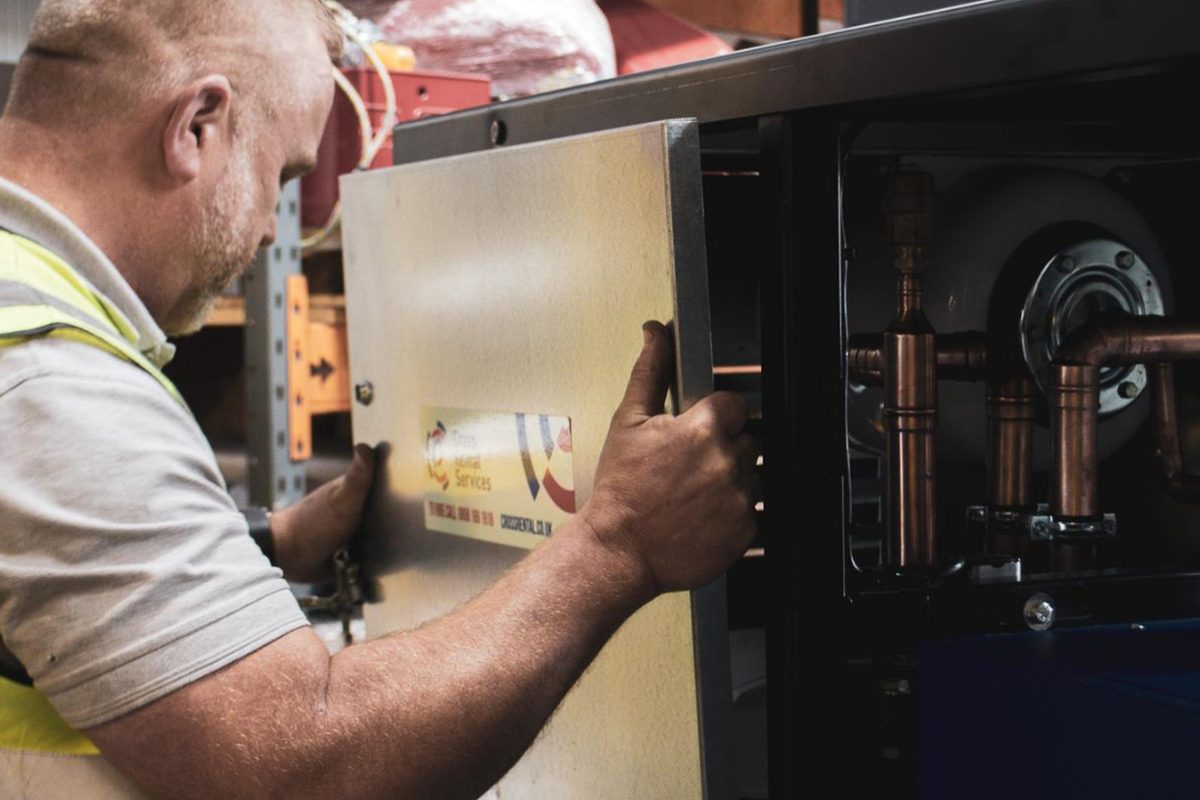
Knowing your temporary hire costs ahead of time avoids unexpected costs when systems go down, need servicing, replacement parts or repairs. Lets you budget with certainty. Receive a written contingency plan with the agreed arrangements and activation details.
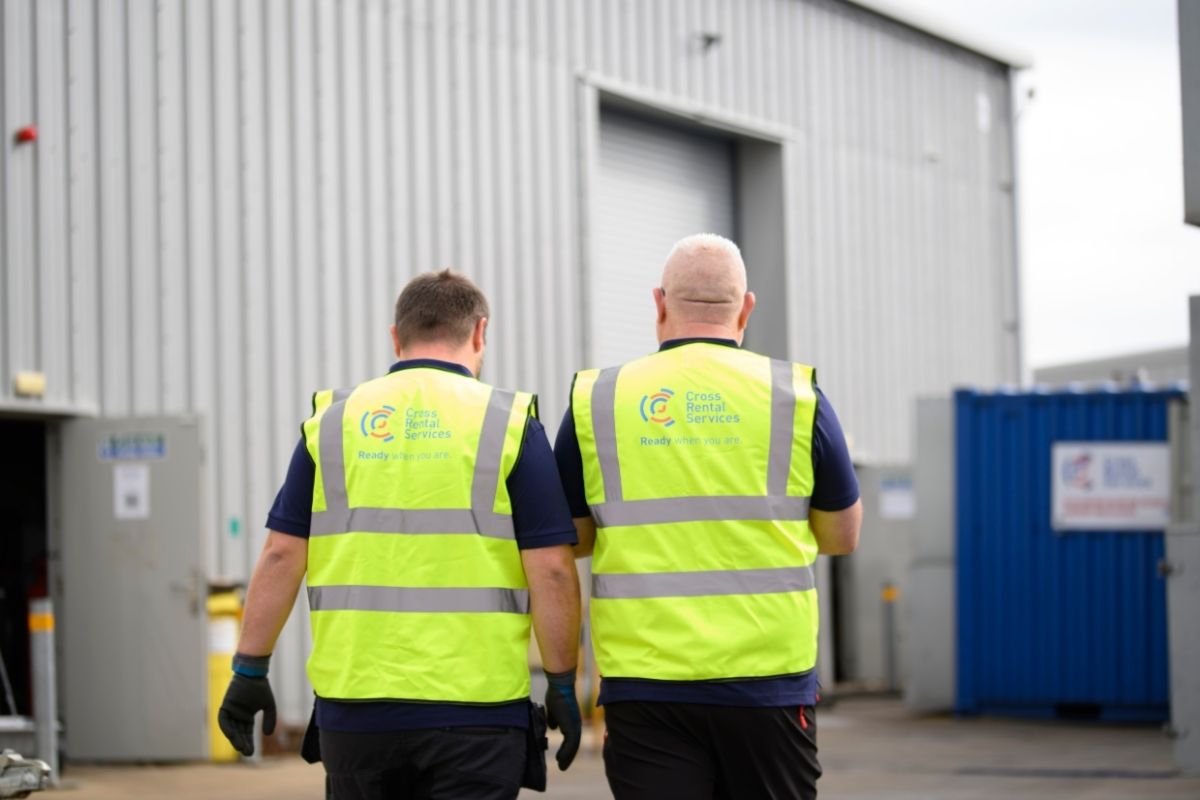
When equipment fails, time can be lost establishing what will fit, where it can be installed on site and how it will connect with existing services. With these details mapped out in advance, temporary equipment can be deployed without starting the planning process from scratch.
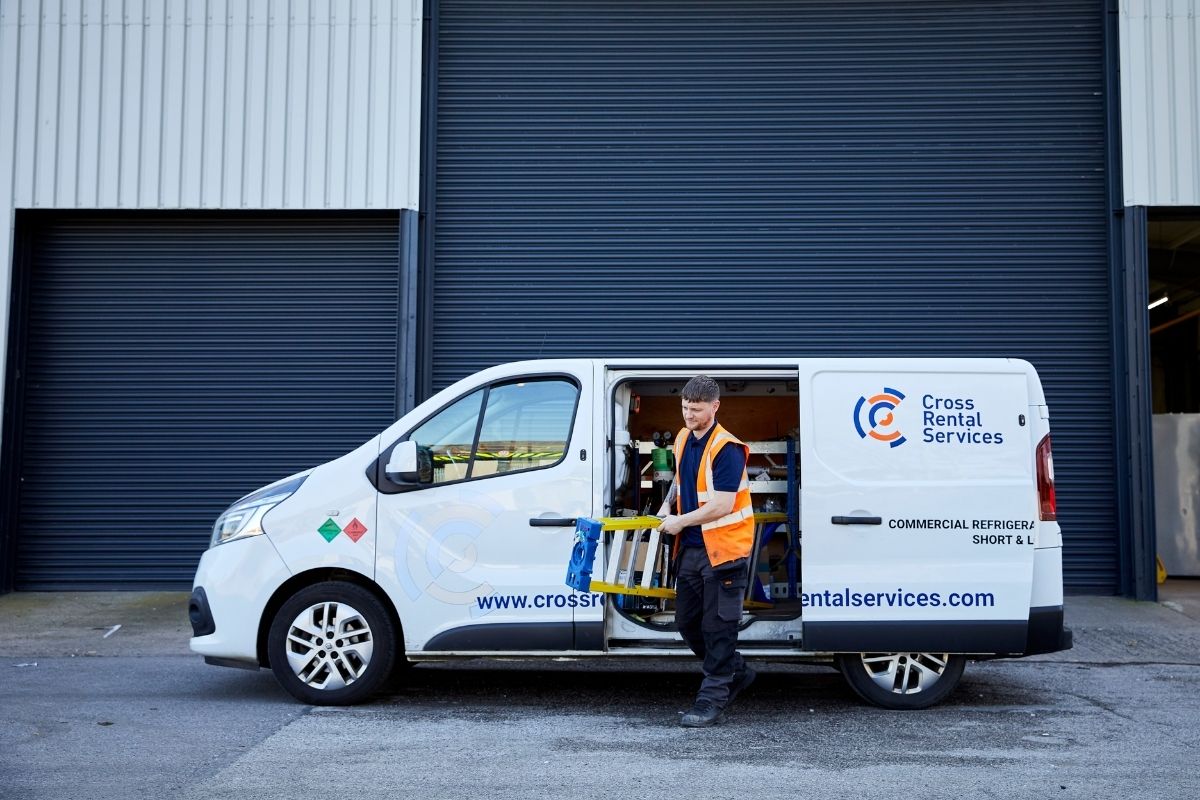
Got a question?
Frequently Asked Questions
Does having a contingency plan guarantee that equipment will be available in an emergency?
A contingency plan identifies the temporary boilers or chillers your site would need, along with the arrangements for delivery, installation and commissioning. Equipment can also be reserved at one of our depots or kept on-site as part of an agreed standby arrangement.
What information should we have available before a contingency planning site survey?
Existing plant capacity, heating or cooling loads, connection details and site access arrangements are useful starting points. Information about critical processes, operational restrictions and any previous plant failures can also help identify where temporary support may be needed. Don't worry if you don't have everything to hand. The site survey will help select the equipment and connections needed.
Can temporary equipment be connected without shutting down our existing heating or cooling system?
This depends on the existing installation and the connection arrangements available. A contingency survey identifies the enabling works needed, including gas, water and electrical connections, so temporary equipment can be installed with minimal disruption.
Where uninterrupted operation is essential, the connection method and any necessary isolation should be agreed during planning.
What do we need to arrange before a contingency plan can be activated?
The contingency plan documents the agreed equipment, enabling works and activation process, including the reference number used when the plan is needed.
Can a contingency plan be used to support an our business continuity or disaster recovery procedure?
Yes. A documented contingency plan can form part of your wider business continuity arrangements, establishing how critical heating, cooling or hot water services would be supported following equipment failure. It provides a practical reference for facilities and operations teams, with proposed equipment, costs and activation arrangements identified in advance.
What happens if the specified temporary equipment is no longer suitable when the plan is activated?
Changes to building use, plant capacity or site infrastructure may affect the equipment and installation arrangements originally documented. It is best practice to review the document periodically and notify us if any changes accure on site.



Real-world results
Case Studies
From emergency boiler failures to planned heating and hot water cover, see how contingency planning has helped customers prepare for distruption and keep essential services running.
9 January 2025
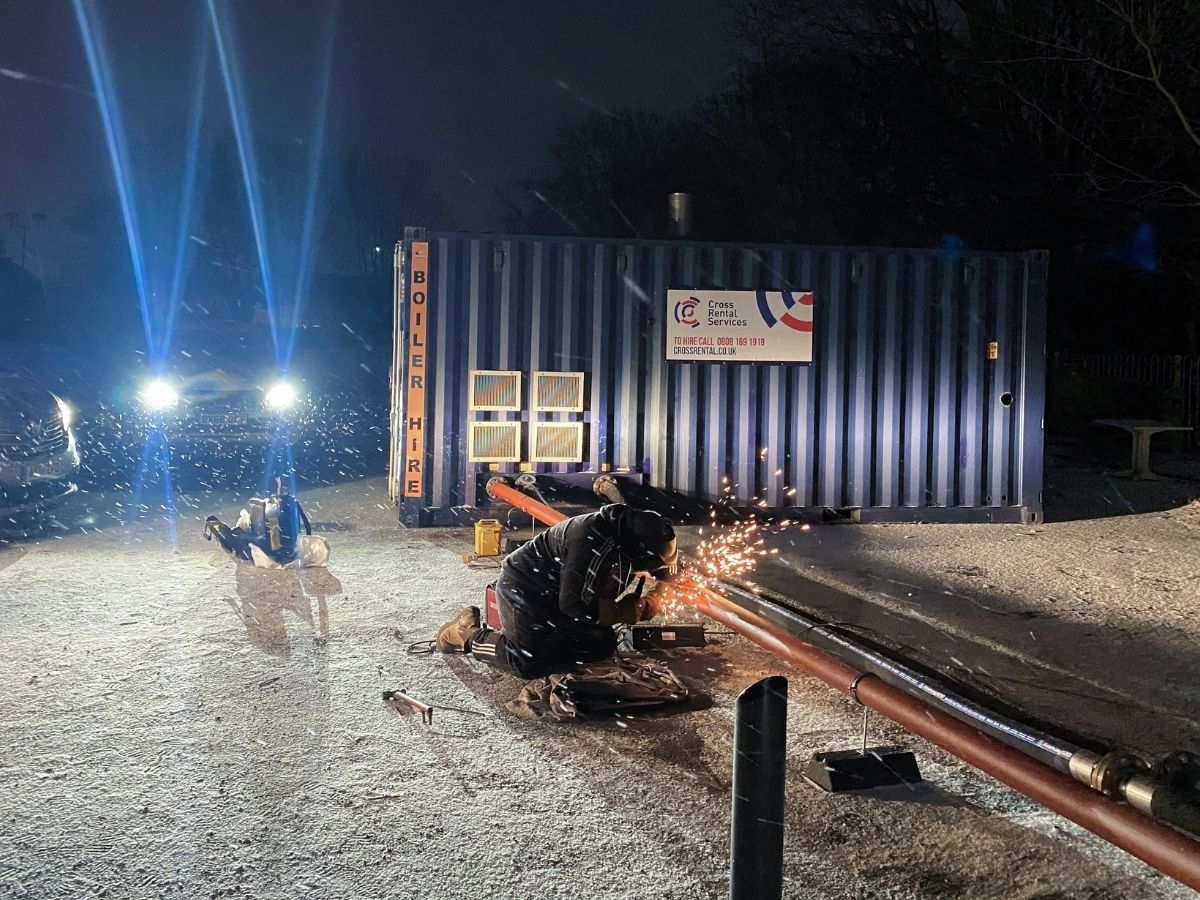
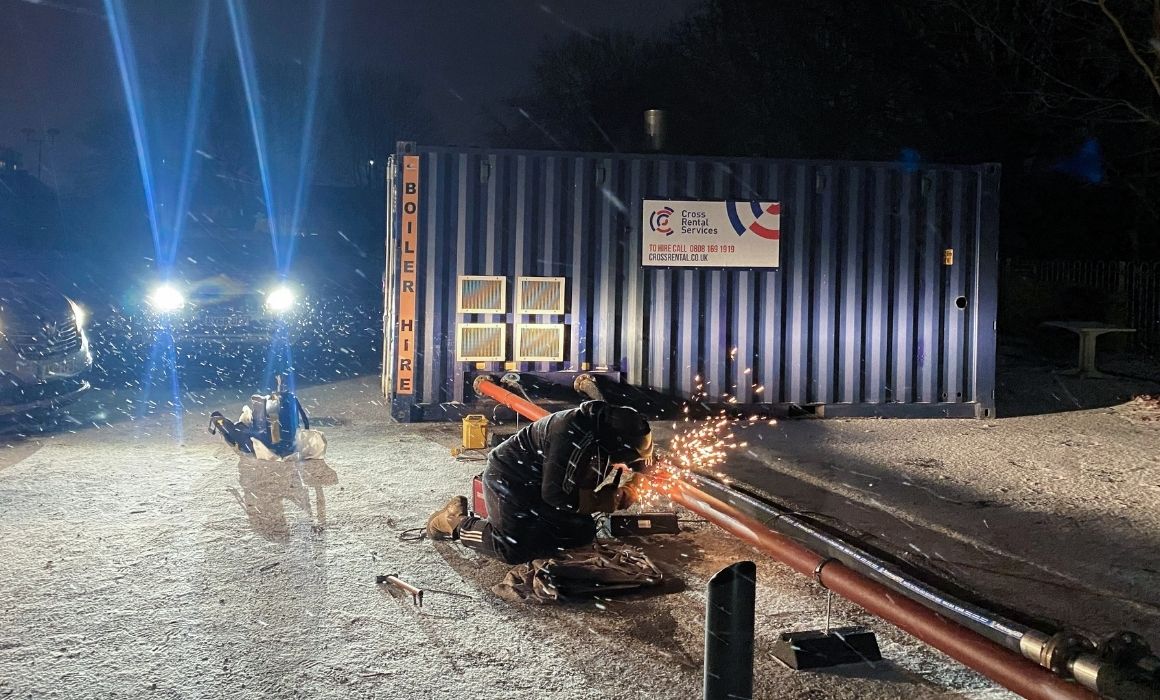
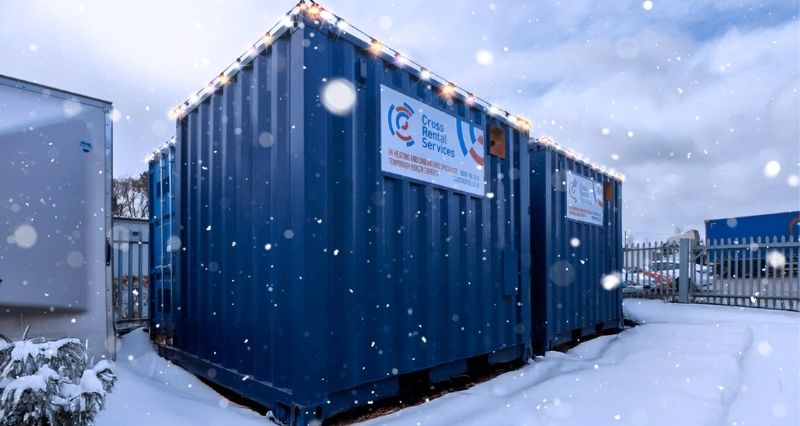
Emergency Contingency Plan Activated on Christmas Eve
An unexpected boiler failure over the festive period could have left residential accommodation without heating in freezing conditions. Because a contingency plan was already in place, the required equipment and delivery logistics were identified immediately - restoring heating within 6 hours.
6 February 2026
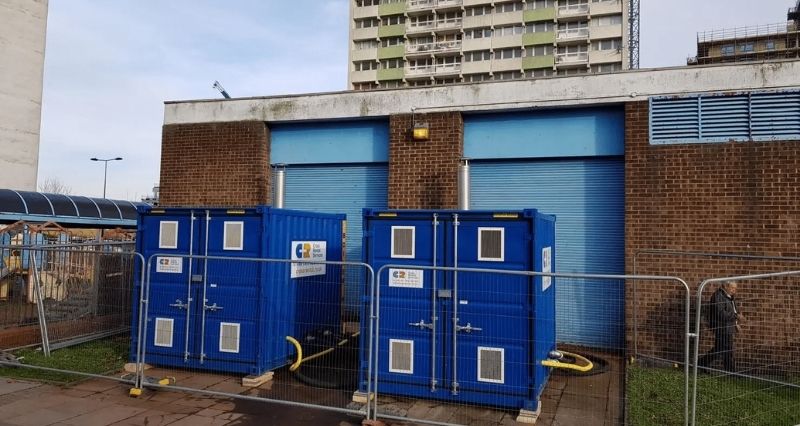
Contingency Plan to Support Heating & Hot Water Services
A residential development needed a contingency plan covering heating and hot water for three tower blocks, installed within a single day without turning off the existing system. Site survey to installation was completed within 7 days.
Ready to plan ahead?
Don't wait for a breakdown to find out how quickly temporary heating and cooling could be installed. Speak to Cross Rental Services about putting a pratical contingency plan in place today, to protect your critical operations.